Emeco
American craft in recycled aluminium, since 1944.
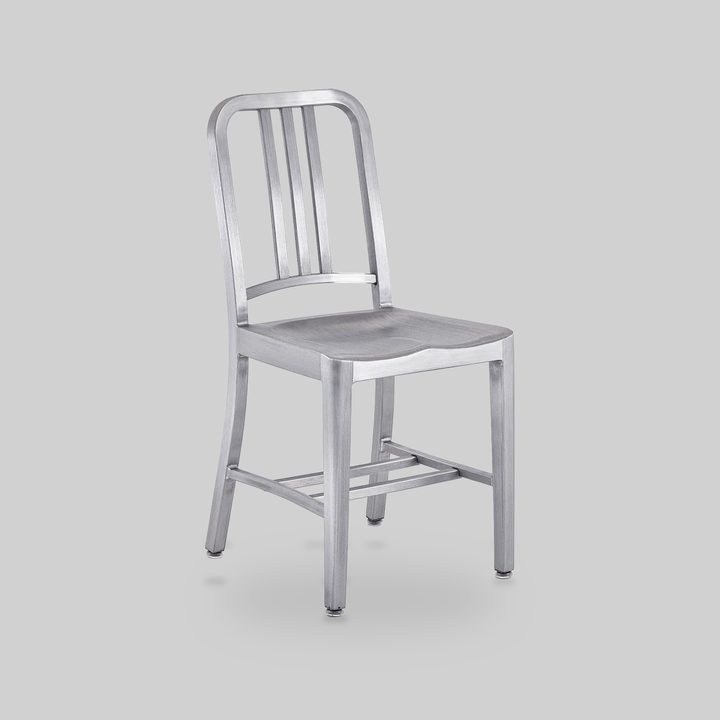
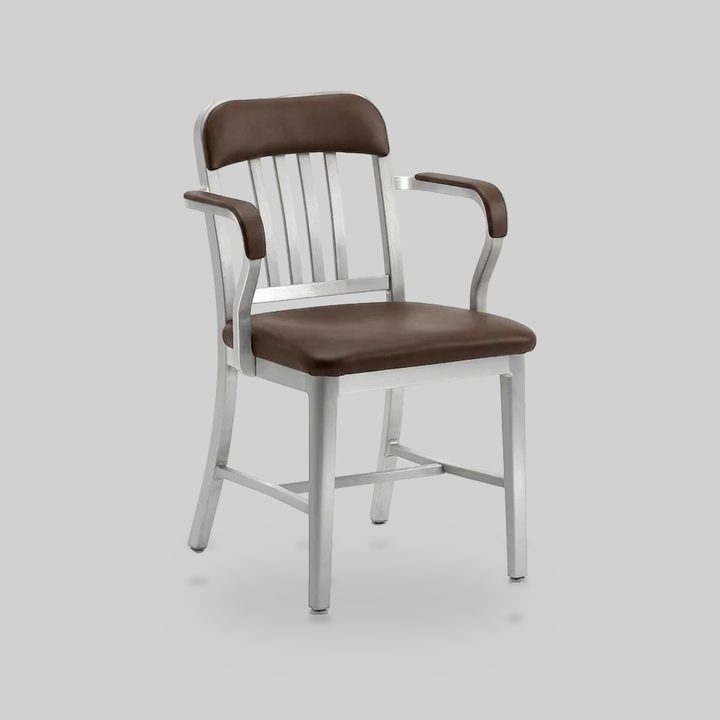
Emeco was founded in 1944 in Hanover, Pennsylvania, to build a chair for the U.S. Navy that was light, strong and able to survive life at sea. The 1006 Navy Chair is still made there by hand, from recycled aluminium, in seventy-seven steps.
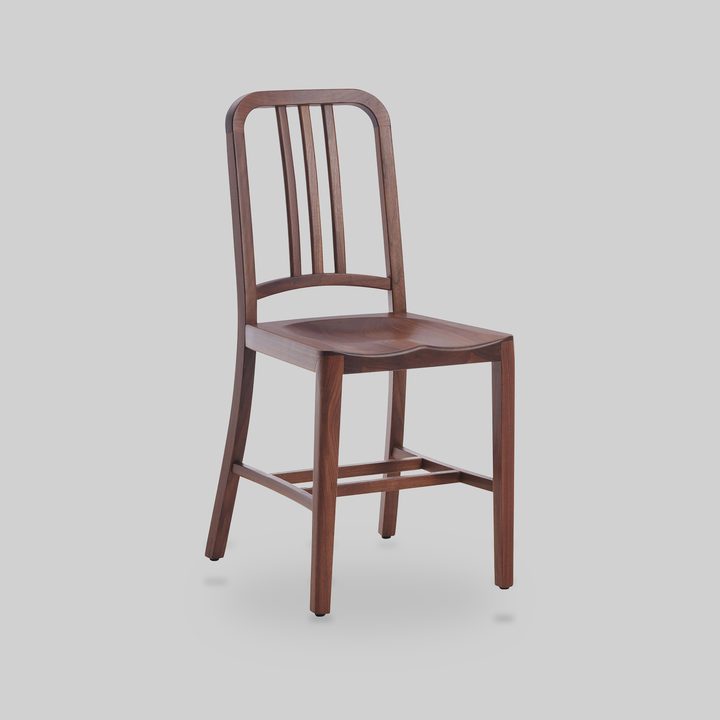
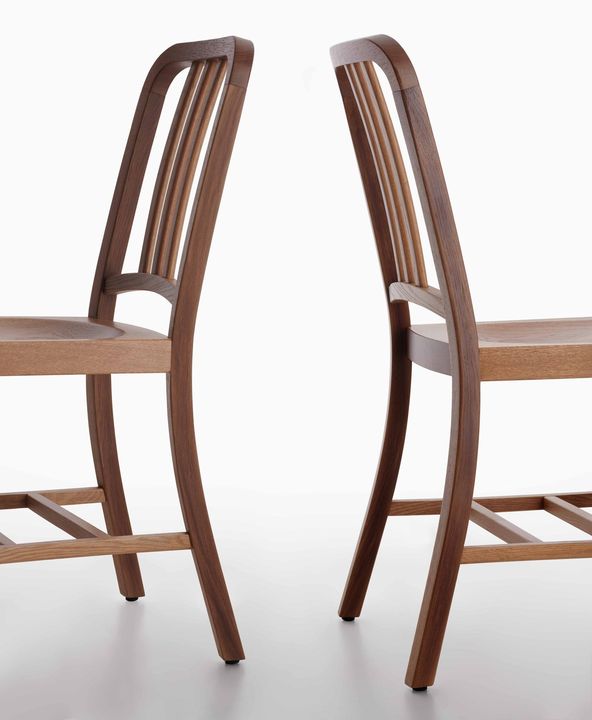
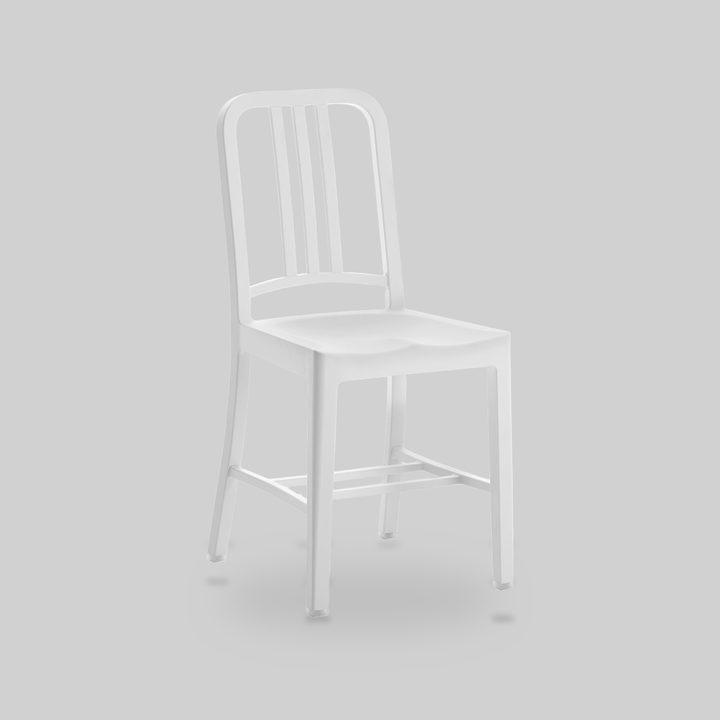
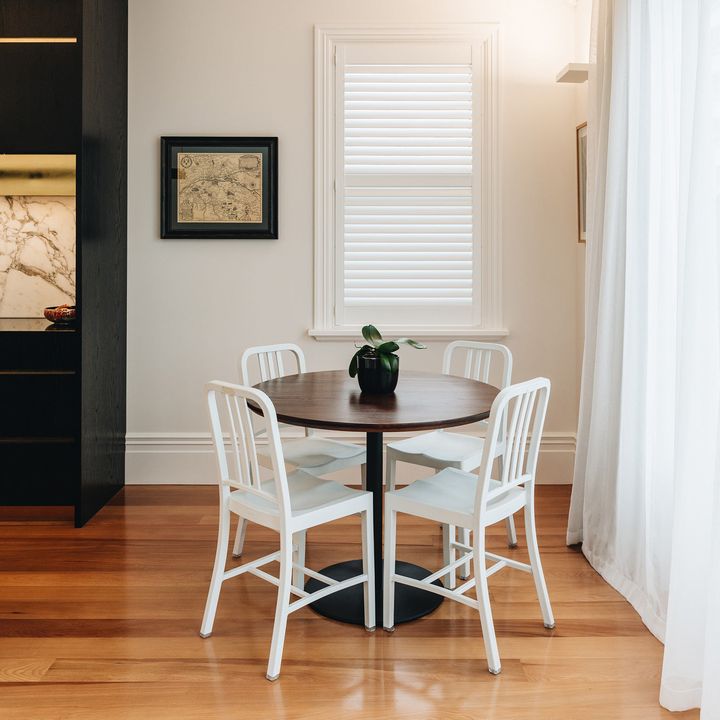
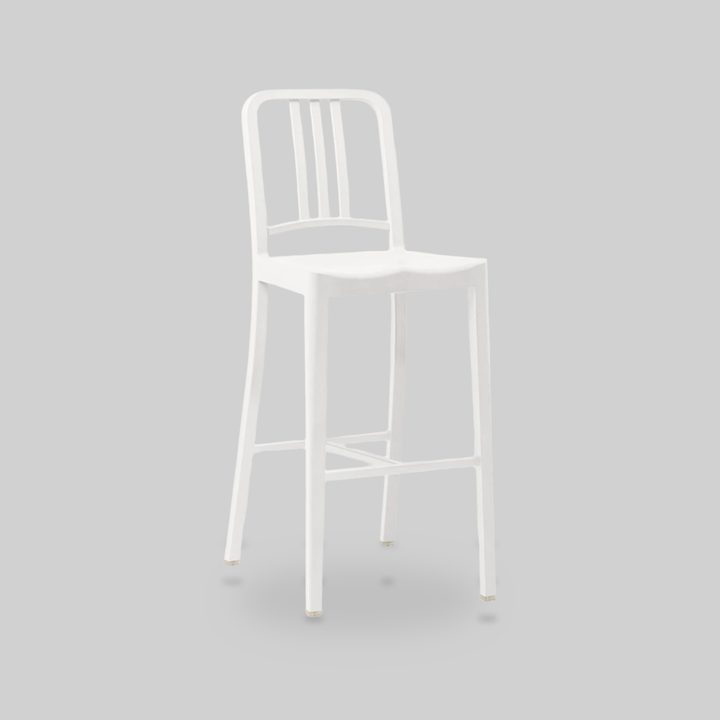
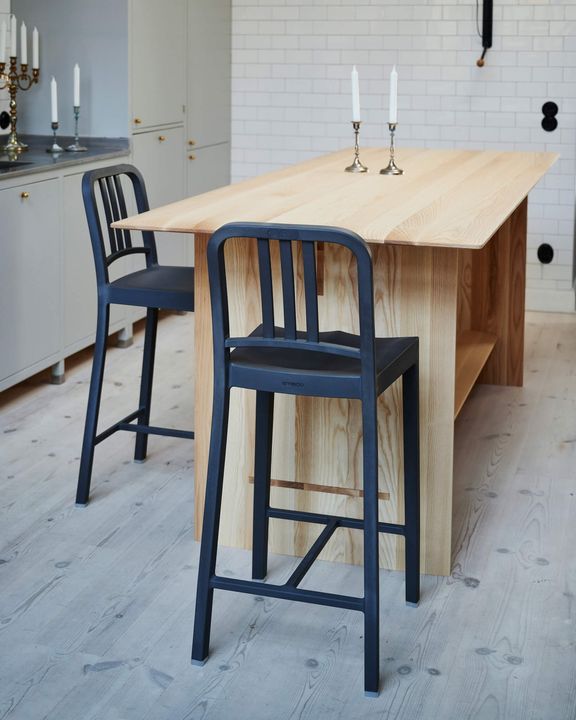
Emeco has since worked with Philippe Starck, Jasper Morrison, Naoto Fukasawa and Barber Osgerby, often in recycled and reclaimed materials. The 111 Navy Chair is made from at least 111 recycled PET bottles.
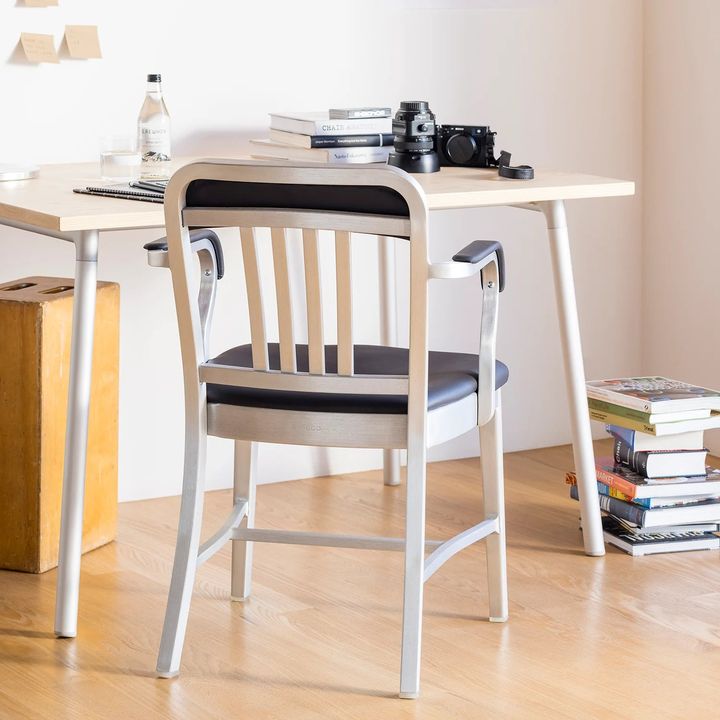
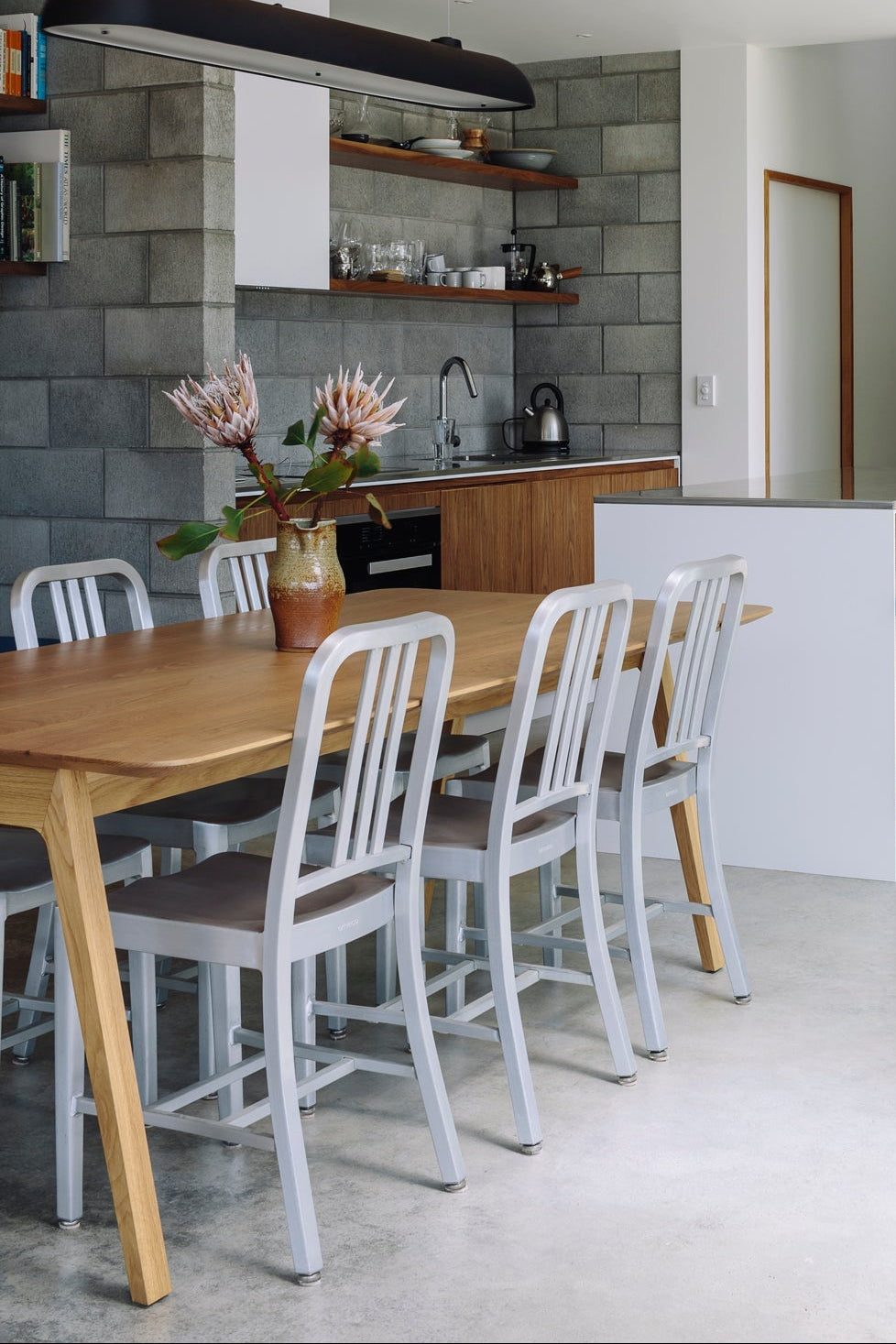
The chairs are built for intensive use, in restaurants, workplaces and kitchens, and they age well. KMS is the exclusive New Zealand agent for Emeco.
A chair built for the Navy.
In 1944 the U.S. Navy needed a chair that was light, would not rust or burn, and could survive life at sea. Wilton Dinges, a tool and die maker in Hanover, Pennsylvania, worked with the aluminium company Alcoa to build one. The result was the 1006 Navy Chair, and the company he founded was the Electric Machine and Equipment Company: Emeco.
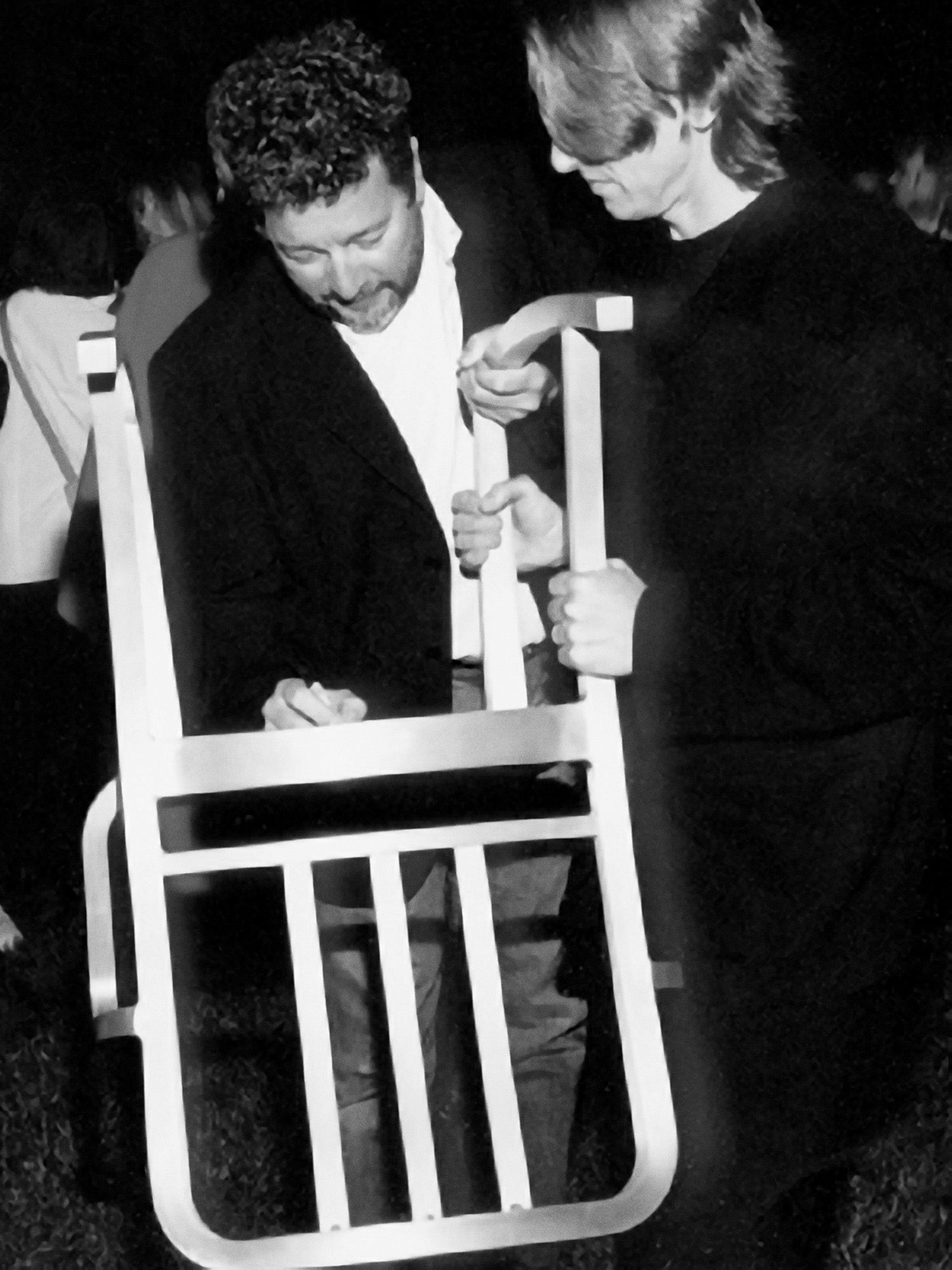
Navy Chairs were made to last a lifetime at sea, and many from the 1940s are still in use. From 1998, under Gregg Buchbinder, Emeco began working with designers including Philippe Starck, Frank Gehry, Jasper Morrison, Naoto Fukasawa and Barber Osgerby. Much of the work since has been in recycled and reclaimed materials.
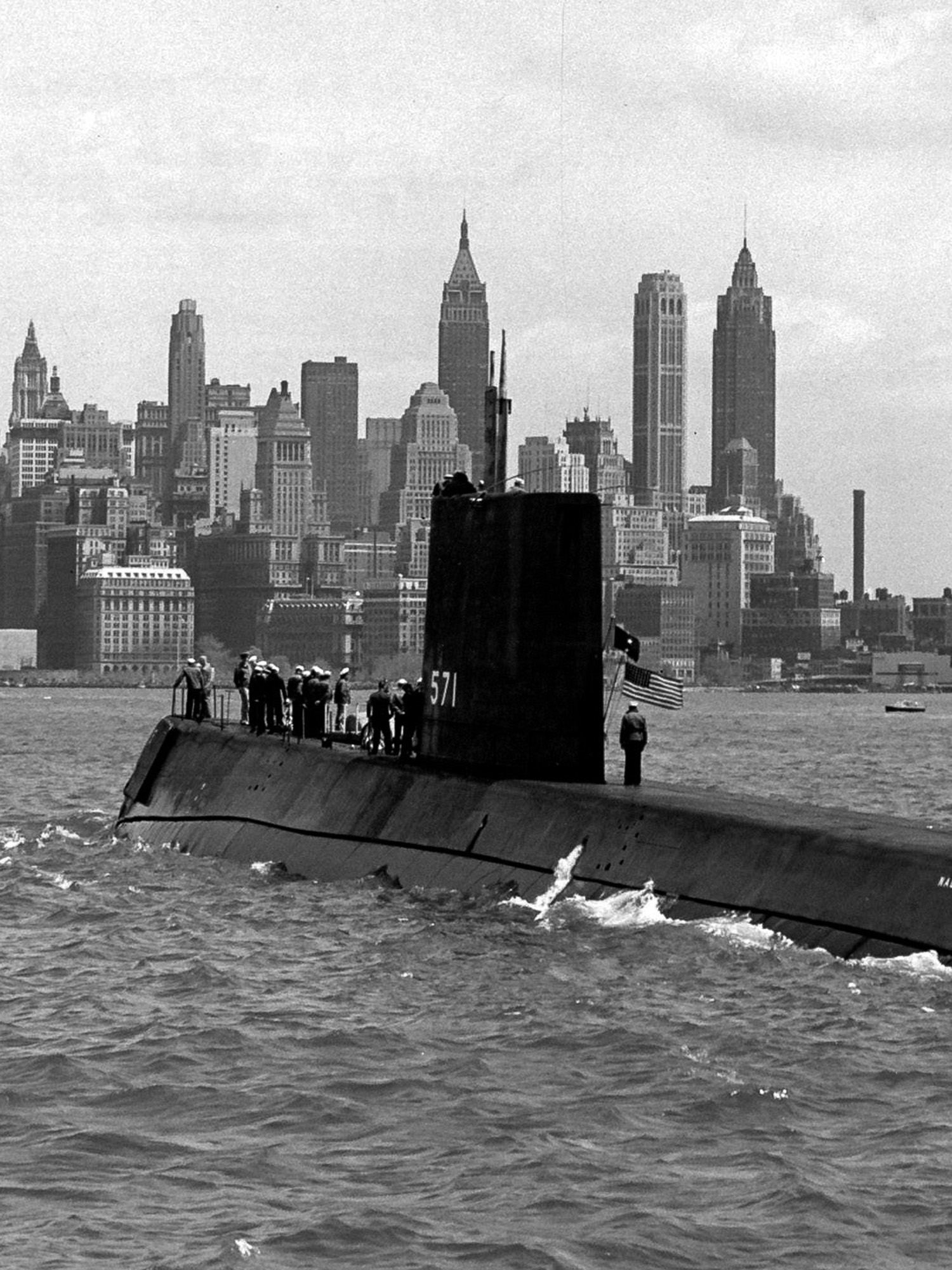
Built for the Navy in 1944. Many of those chairs are still in use.
Seventy-seven steps.
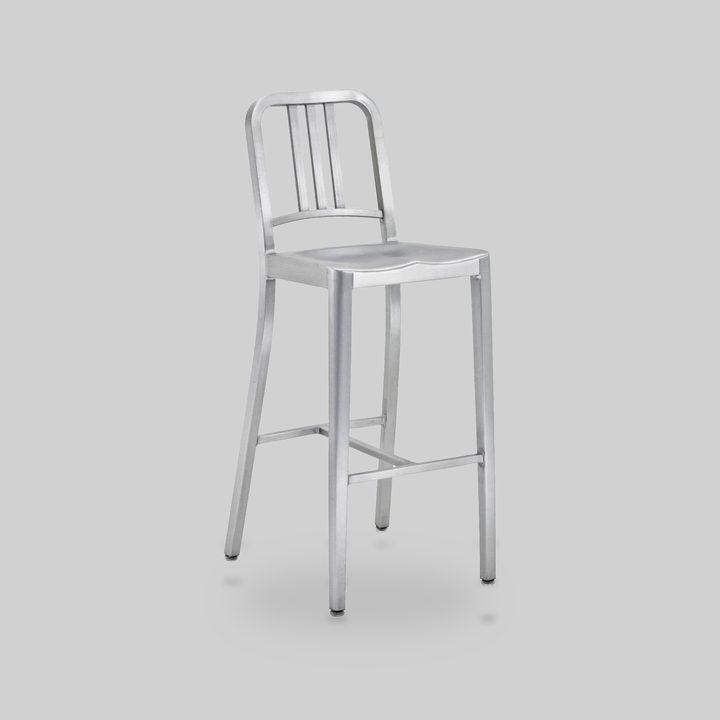
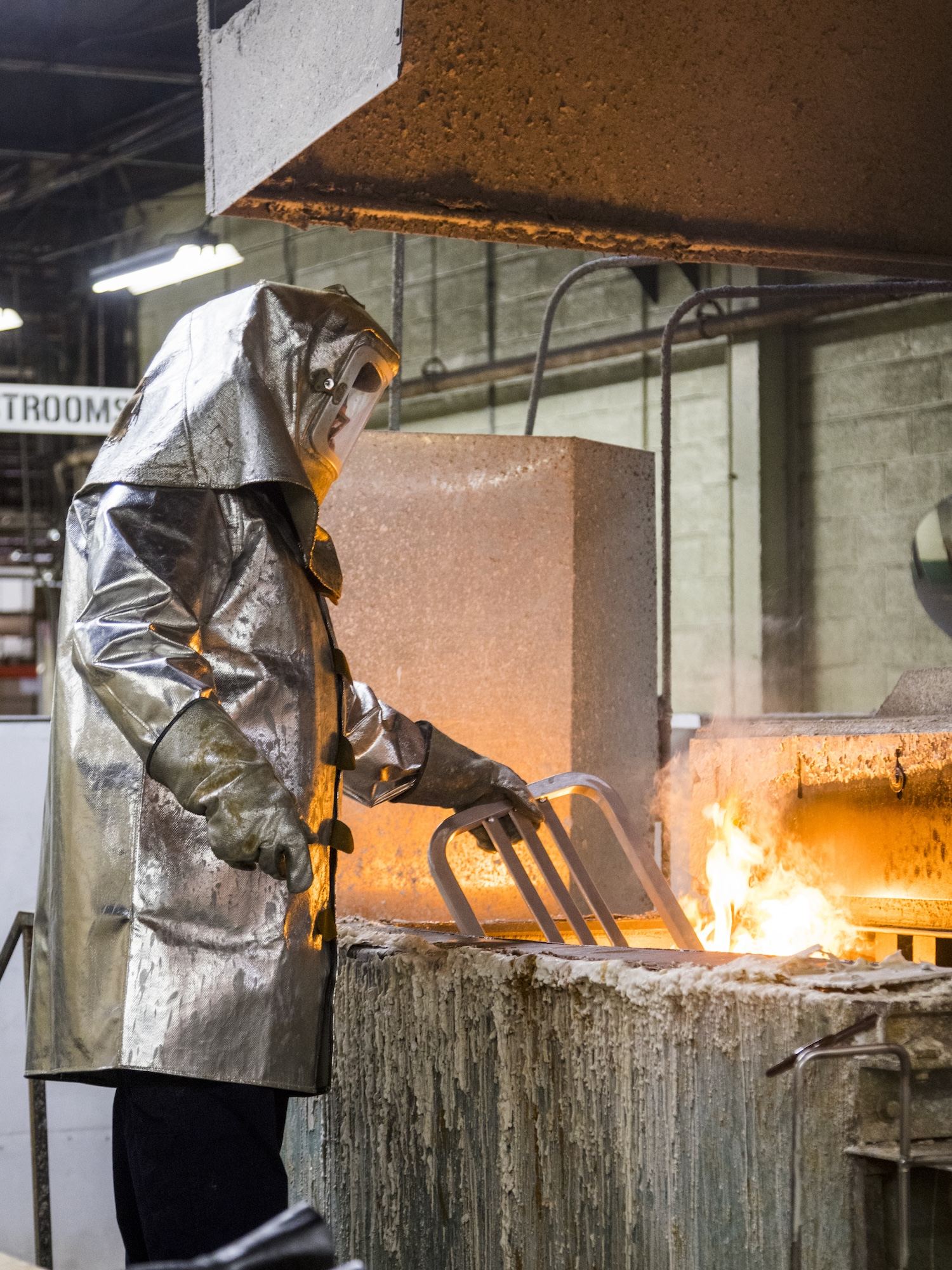
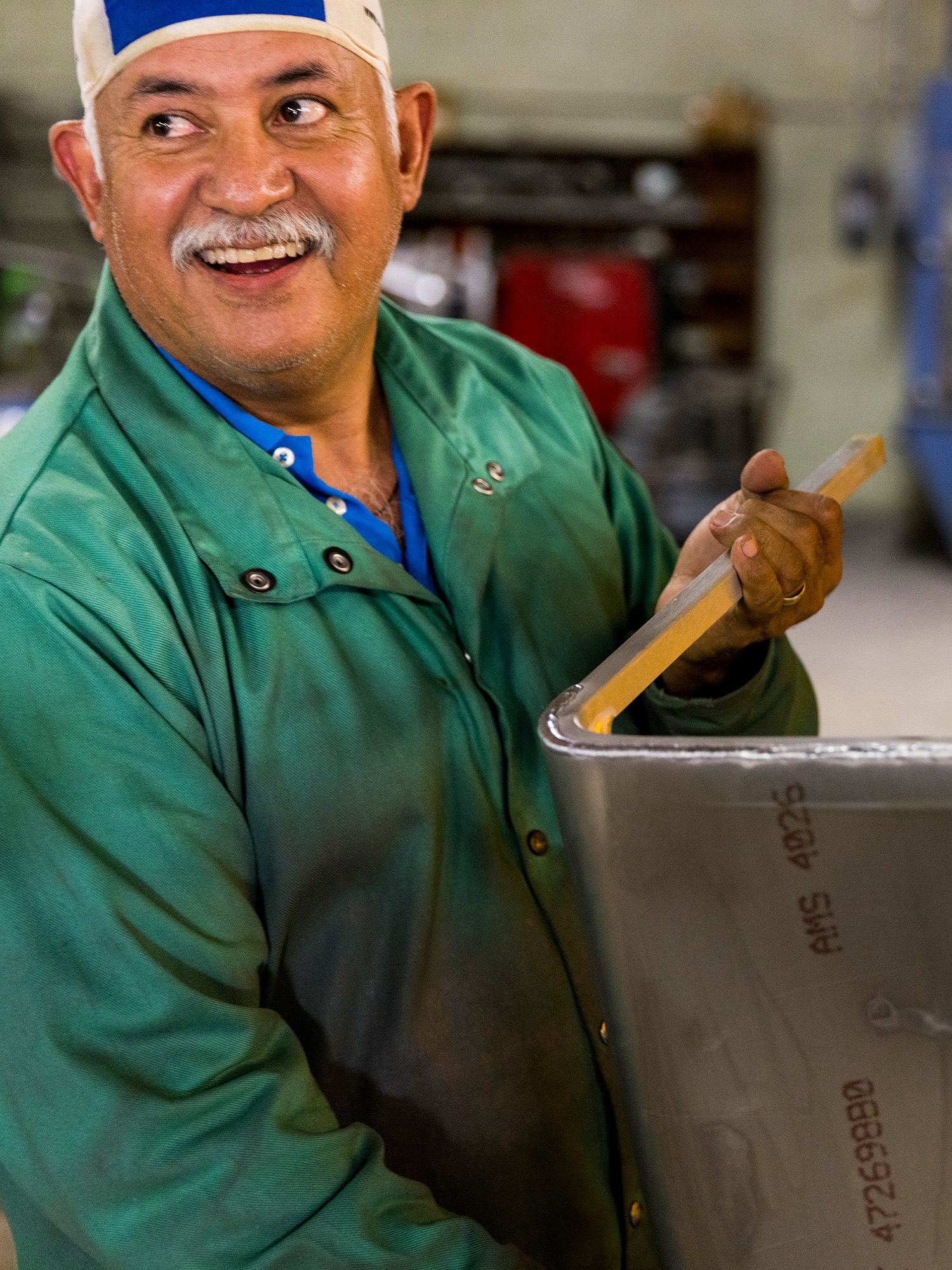
A Navy Chair is made by hand from recycled aluminium. It is welded, ground and then heat-treated, so that the soft metal becomes about three times stronger. Finishing it by hand takes seventy-seven steps. The chairs are still made in Hanover, Pennsylvania.
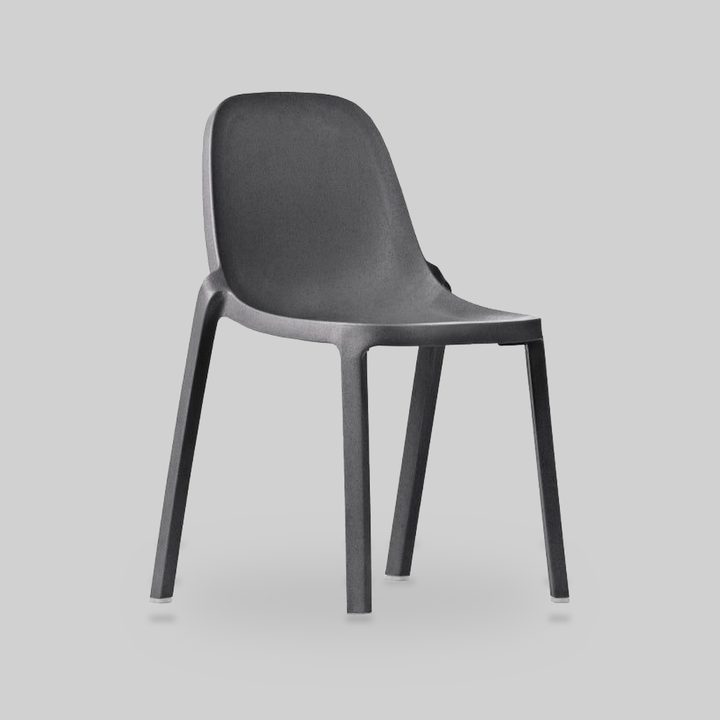
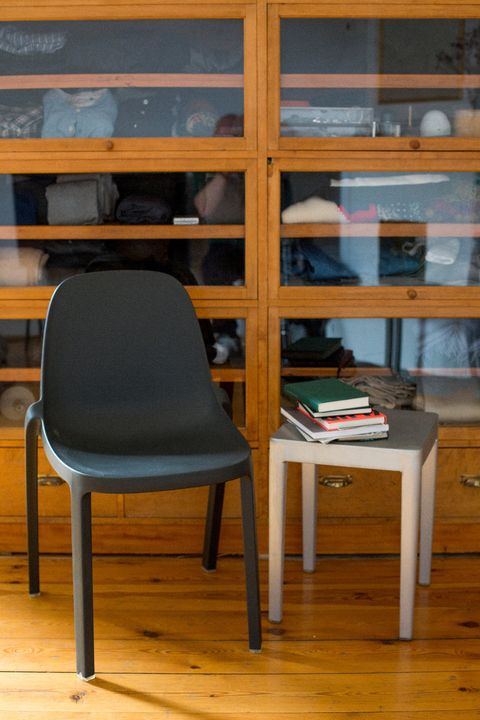
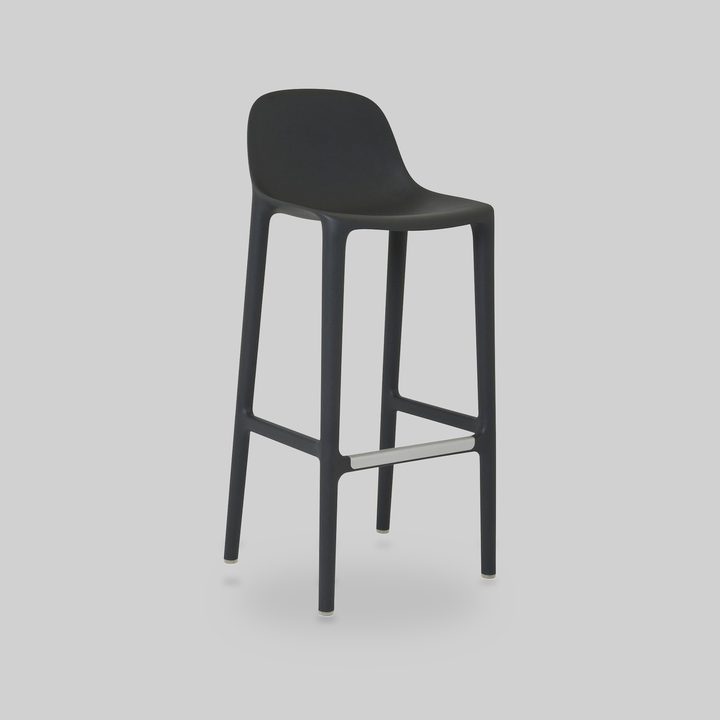
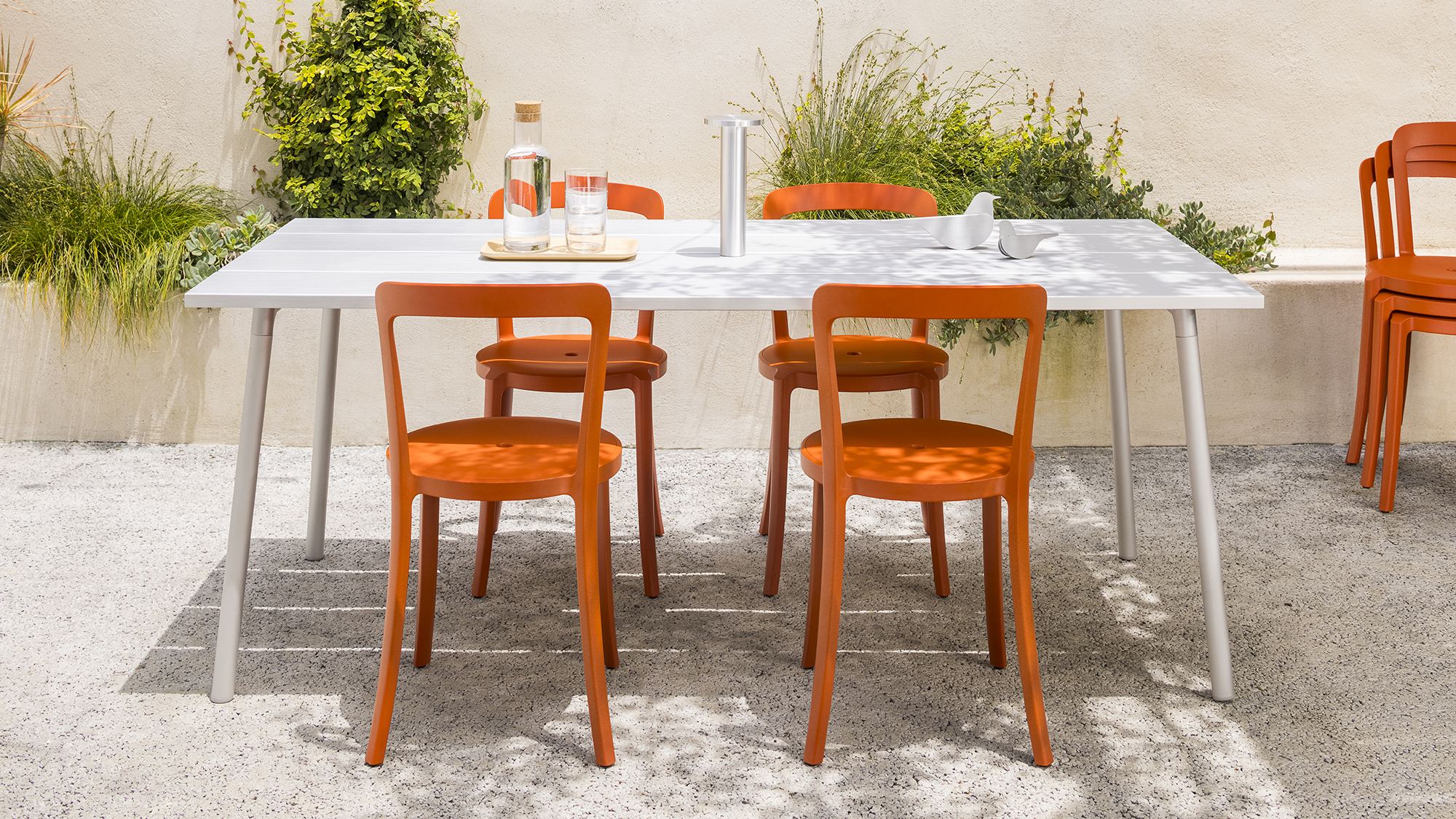
The newer chairs carry the same idea into other materials. The 111 Navy Chair is moulded from at least 111 recycled plastic bottles. Broom is made from reclaimed polypropylene and wood fibre that would otherwise be waste.


The people behind the pieces.
Jasper Morrison
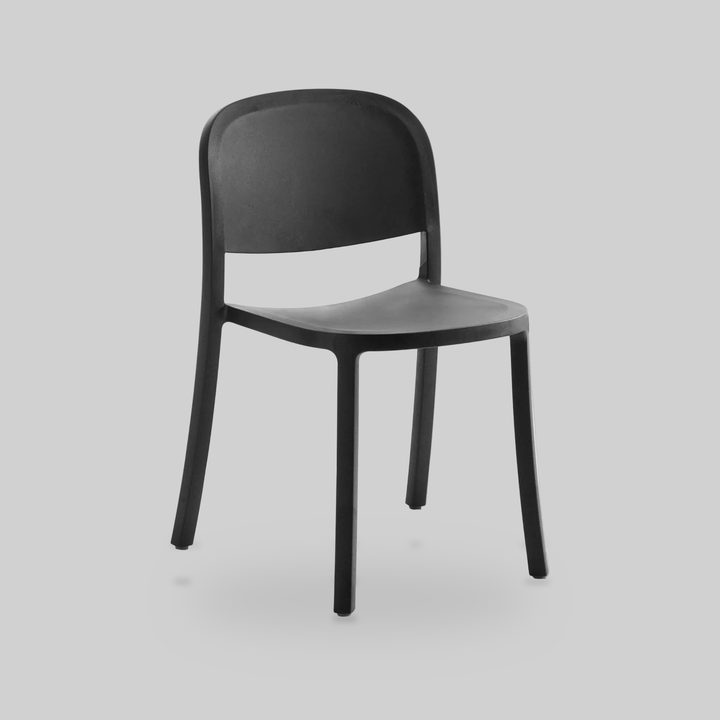
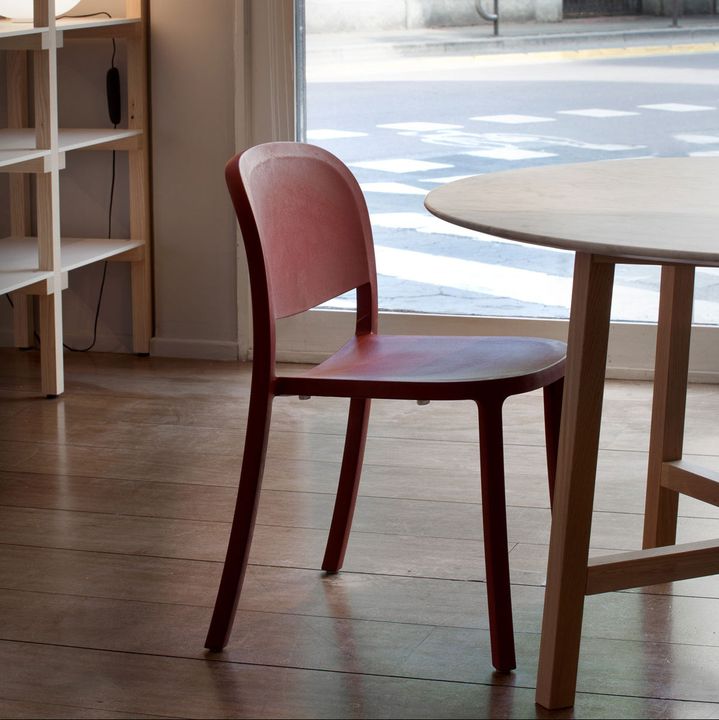
A London designer known for what he calls "super normal" design: quiet, useful objects that improve with use. The 1 Inch Reclaimed Chair is named for the one-inch section of its frame and made largely from industrial waste.
Philippe Starck
One of the most prolific designers of the past fifty years, and a long-time collaborator of Emeco. His Broom chair turns factory waste, swept from the floor, into a stackable chair, which gave it its name.
Barber Osgerby
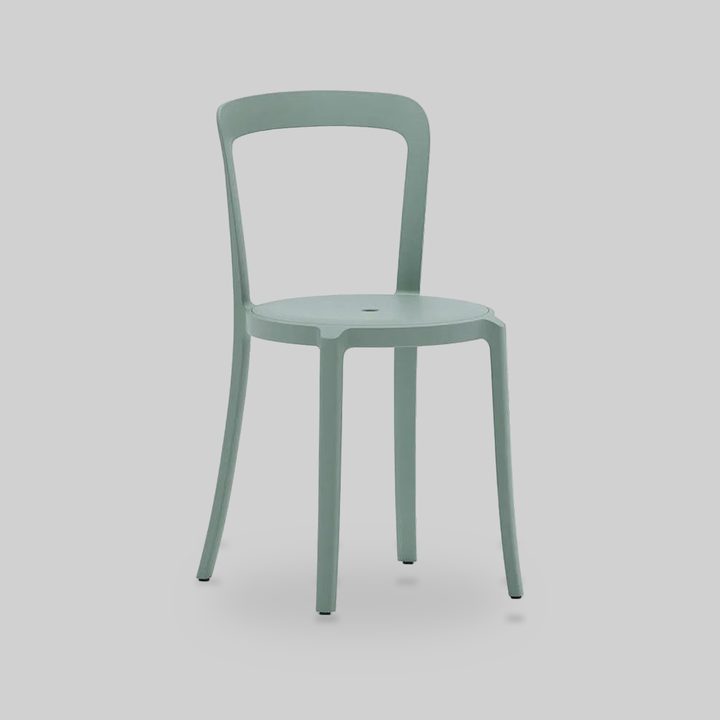
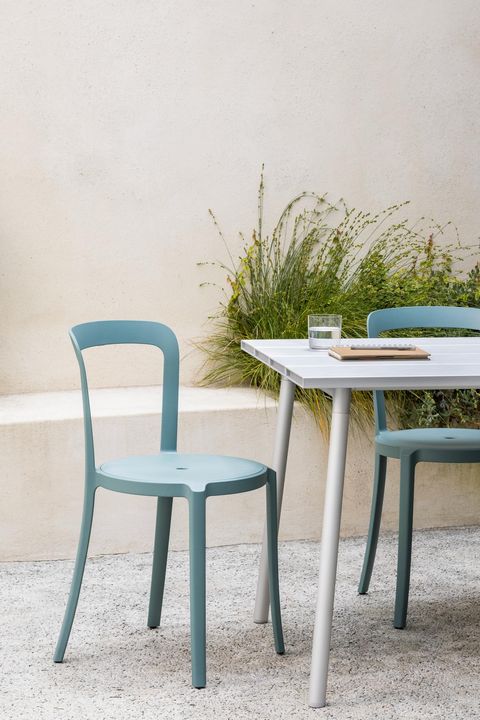
Edward Barber and Jay Osgerby met as architecture students and founded their studio in 1996. Their work includes the London 2012 Olympic torch. On & On is a stacking chair made from recycled plastic bottles.
Naoto Fukasawa
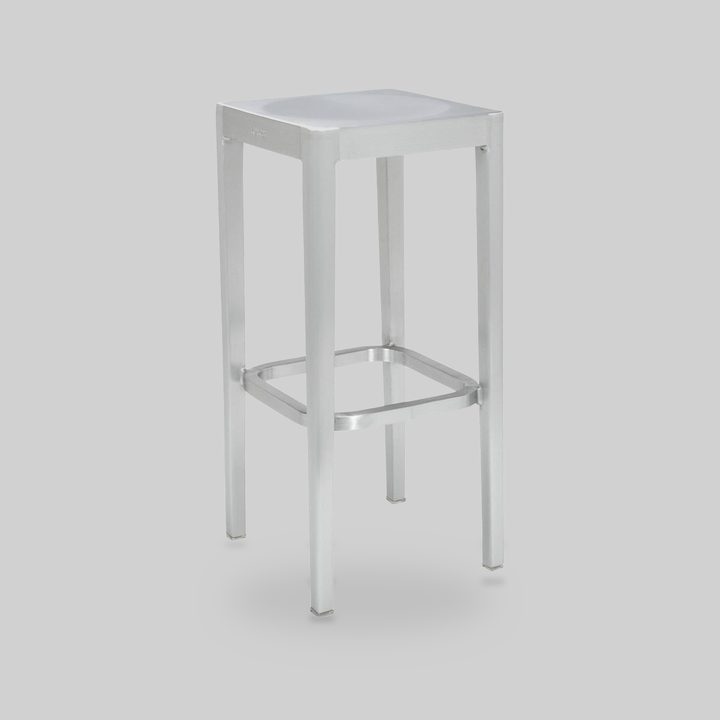
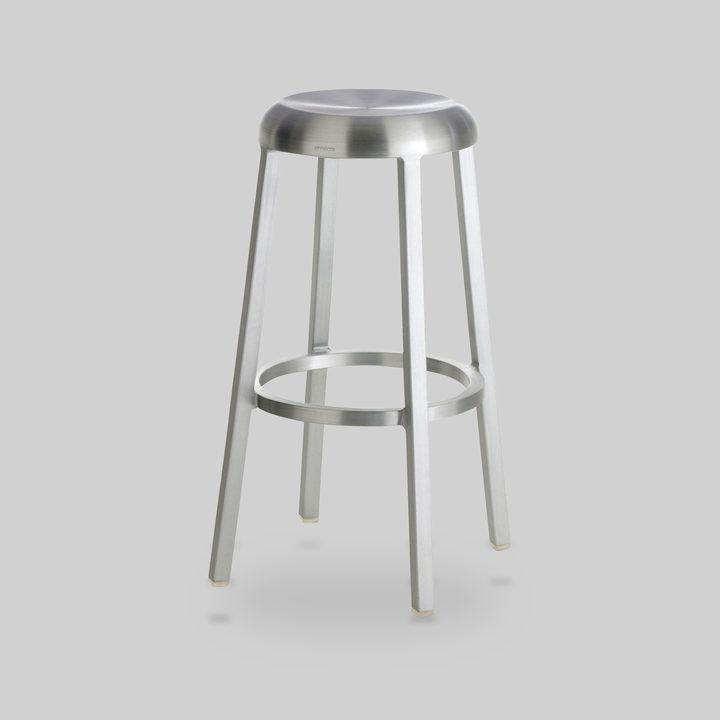
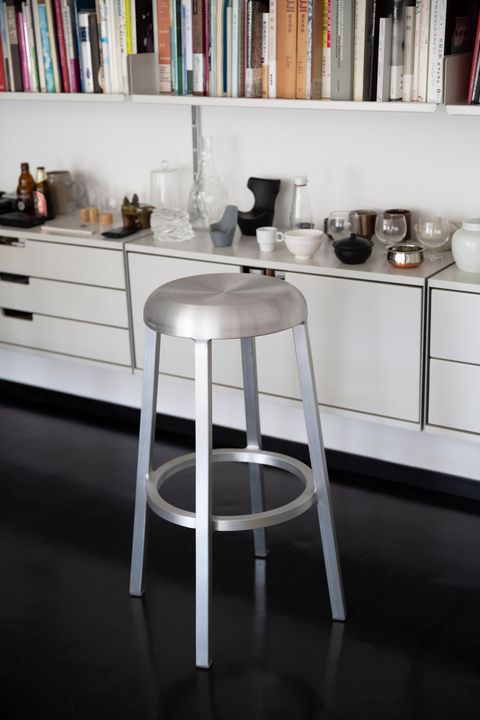
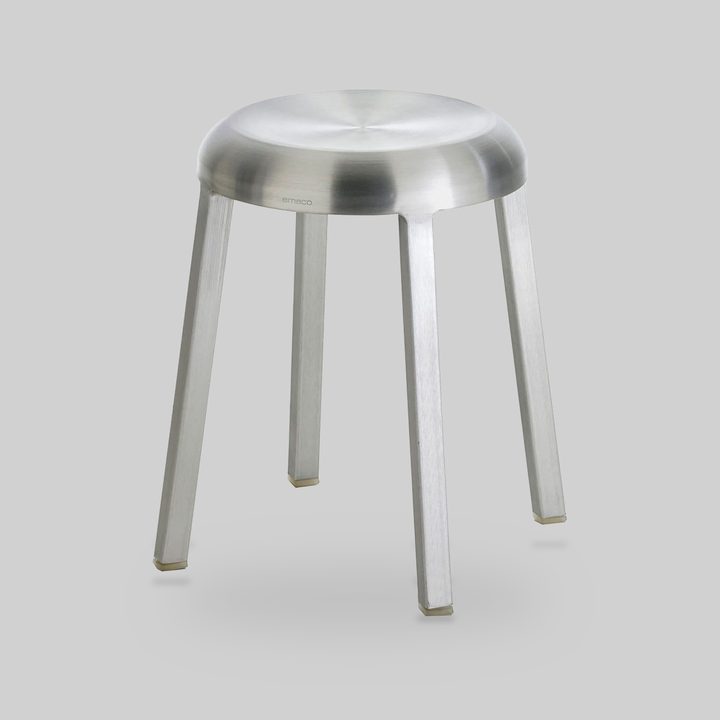
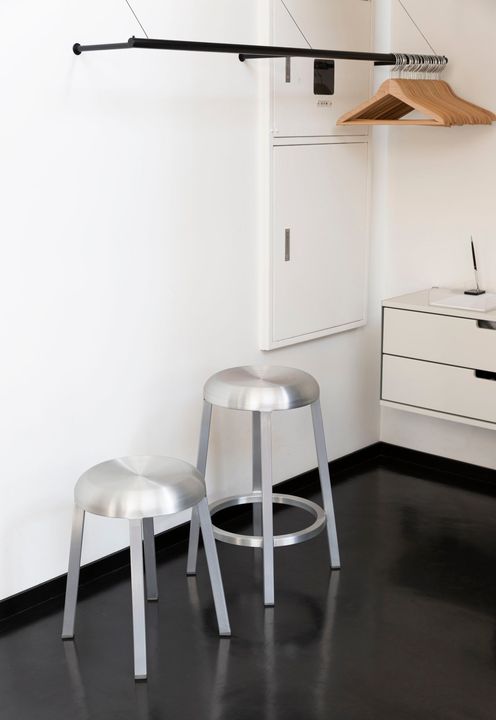
Fukasawa designs objects that feel familiar the first time they are used, which he calls design "without thought". The Za stools rest on slender aluminium legs that seem to lean slightly, as though the stool is about to move.
Anything from Emeco.
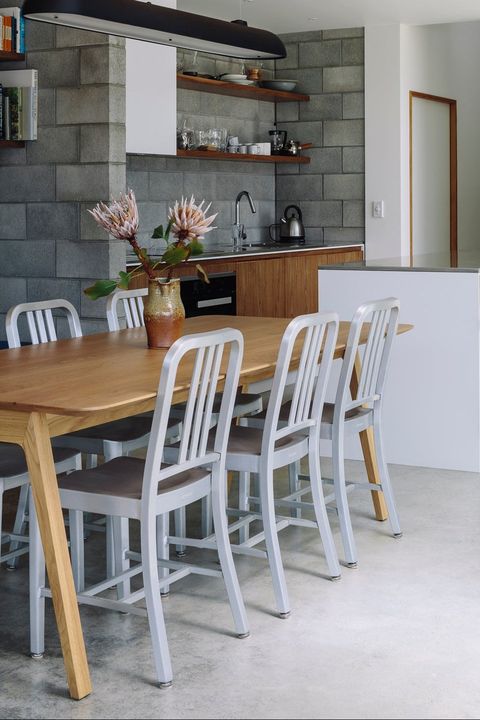
KMS is Emeco's exclusive agent in New Zealand. We specify Navy chairs and stools for restaurants and workplaces where seating has to work hard. Stool heights can be matched to a bench or counter.
Emeco · 13 pieces
Full collection