611 Chair
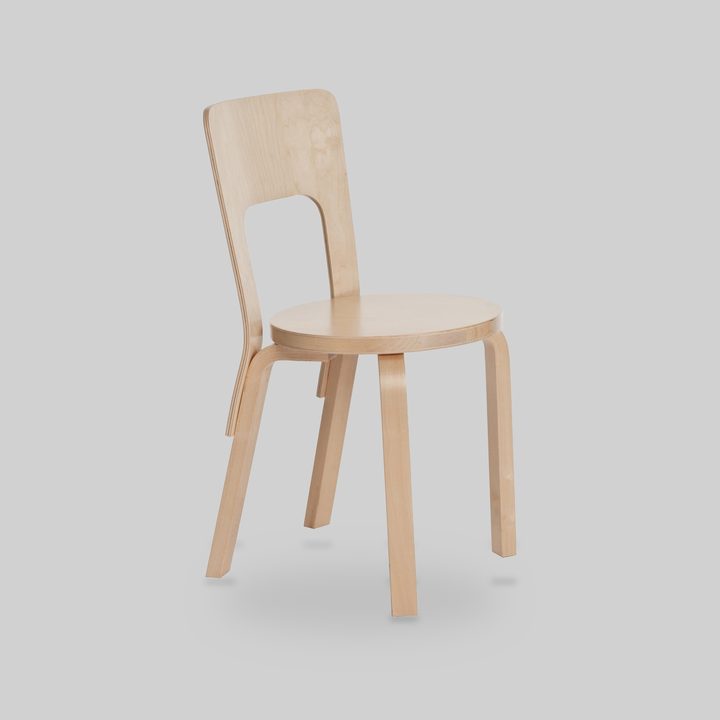
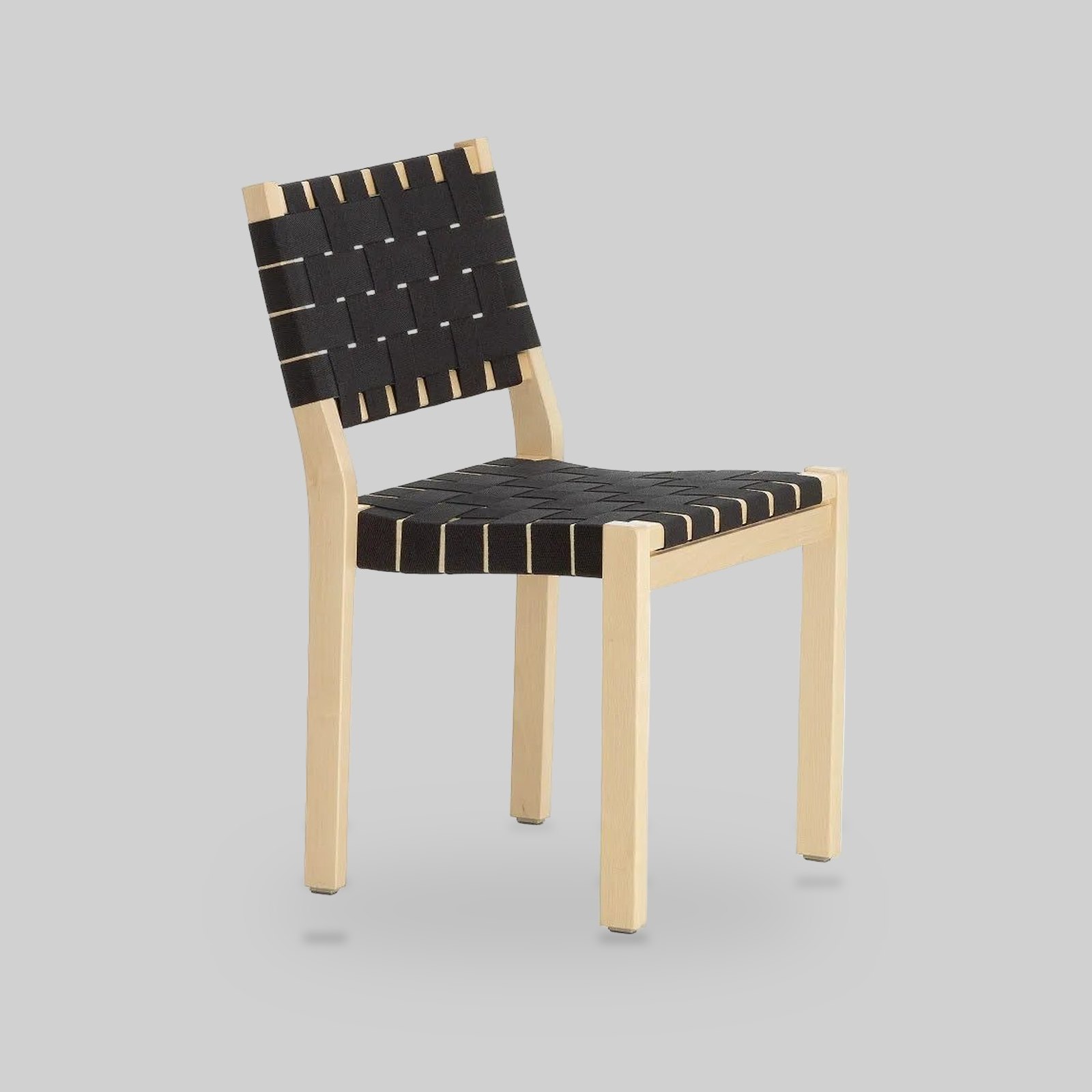
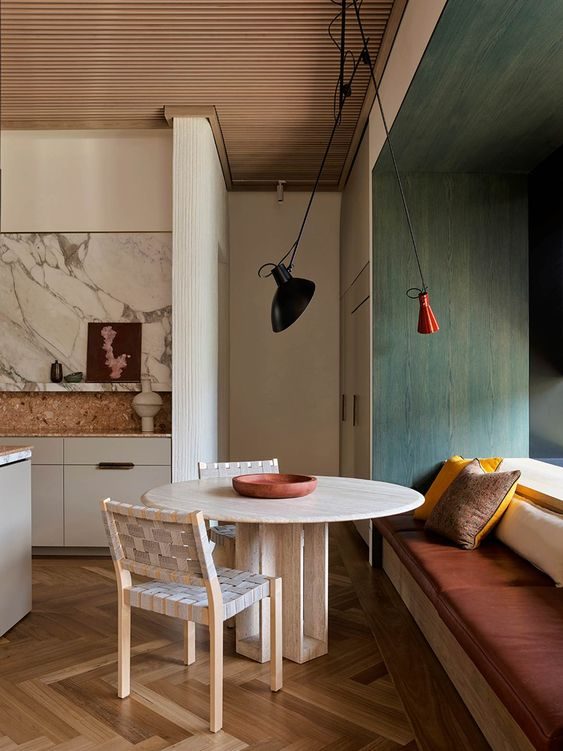
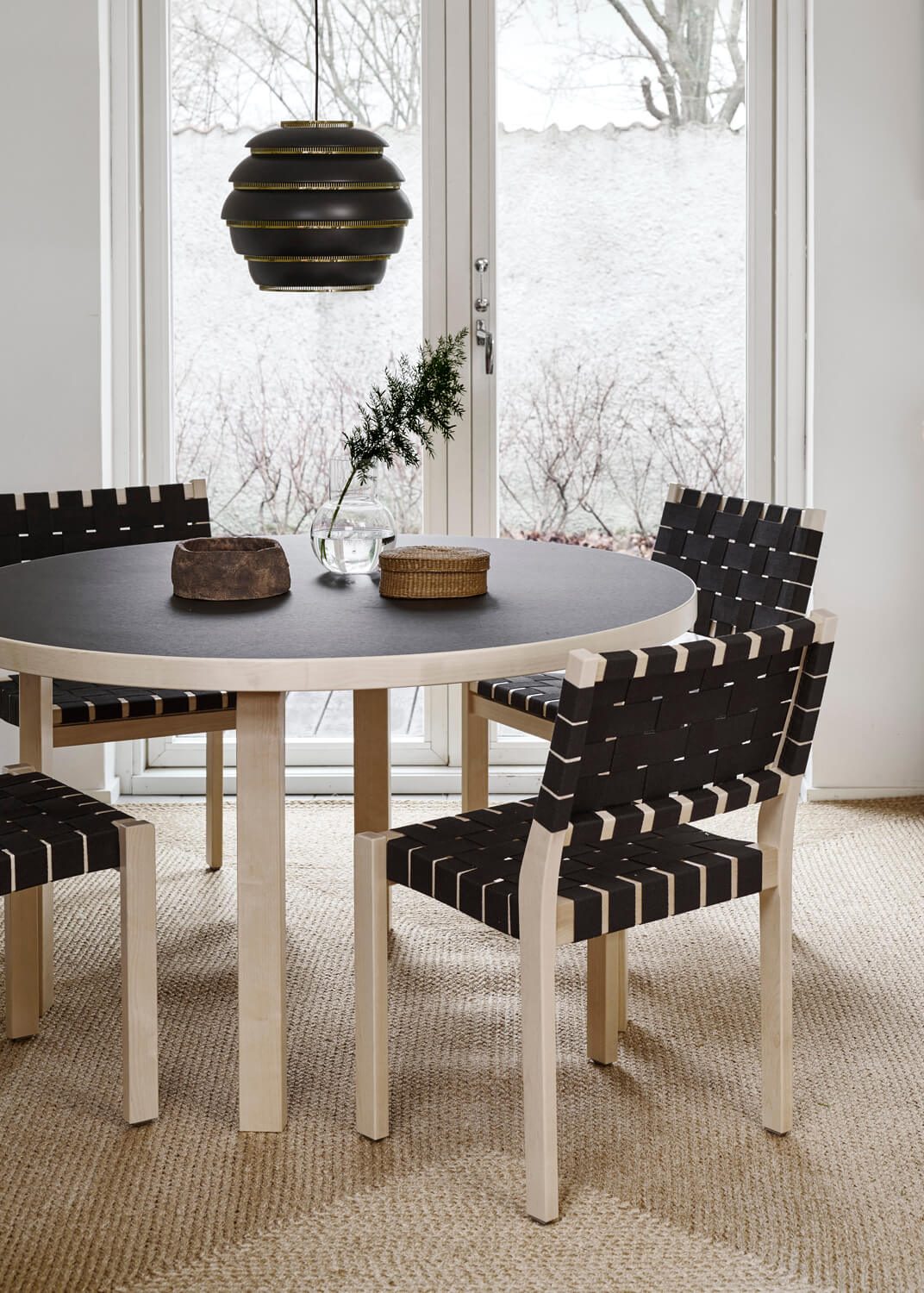
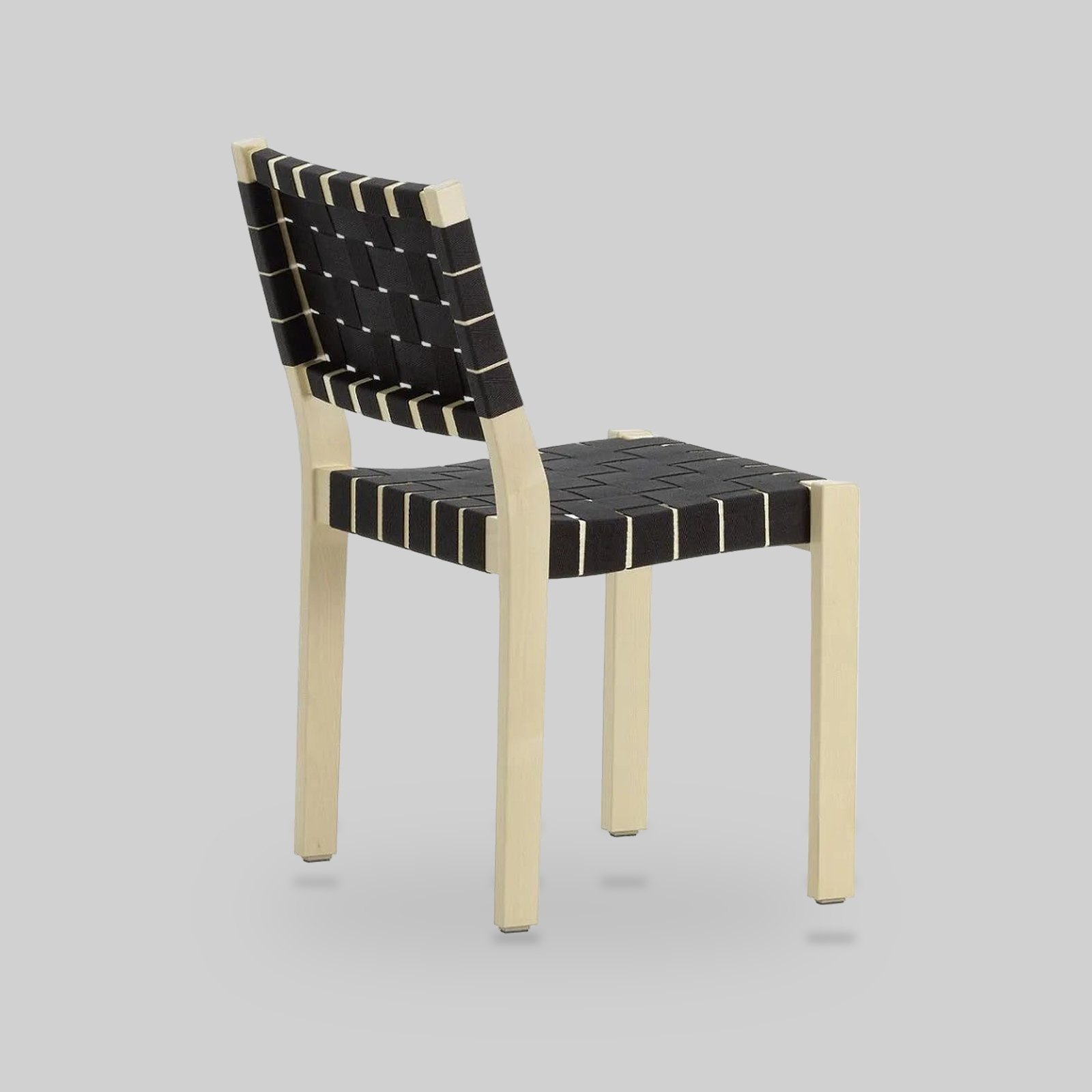
Chair 611 brings together a solid birch frame with a woven fabric seat and backrest. Designed to offer comfort and practicality, the fabric webbing yields to the sitter, making the chair exceptionally comfortable. Chair 611 can be easily reupholstered, which means the chair can have many life cycles. One of Alvar Aalto’s first modern furniture designs, Chair 611 has been in continuous production ever since its creation. Suitable for almost any environment, Chair 611 stacks up to four chairs.
Specification
Drawn from the maker's CAD model. CAD files available on request.
- Frame: Solid Birch, clear lacquer
- Seat and Backrest: Linen webbing - black
- 100 % linen - sustainable, breathable, light
Artek
Artek was founded in Helsinki in 1935 by Alvar Aalto, Aino Aalto, Maire Gullichsen and Nils-Gustav Hahl, to sell furniture and to promote a modern culture of living.
Alvar Aalto
One of the founding figures of modern architecture. With his wife Aino, Aalto designed the furniture for his own buildings, the Paimio Sanatorium and the Viipuri Library. Bending Finnish birch, he gave modernism a warmer, more human material.